

We use cookies to improve your online experiences. To learn more and choose your cookies options, please refer to our cookie policy.

25 November, 2026
Little Steps, Big Milestones: The Power of Independence
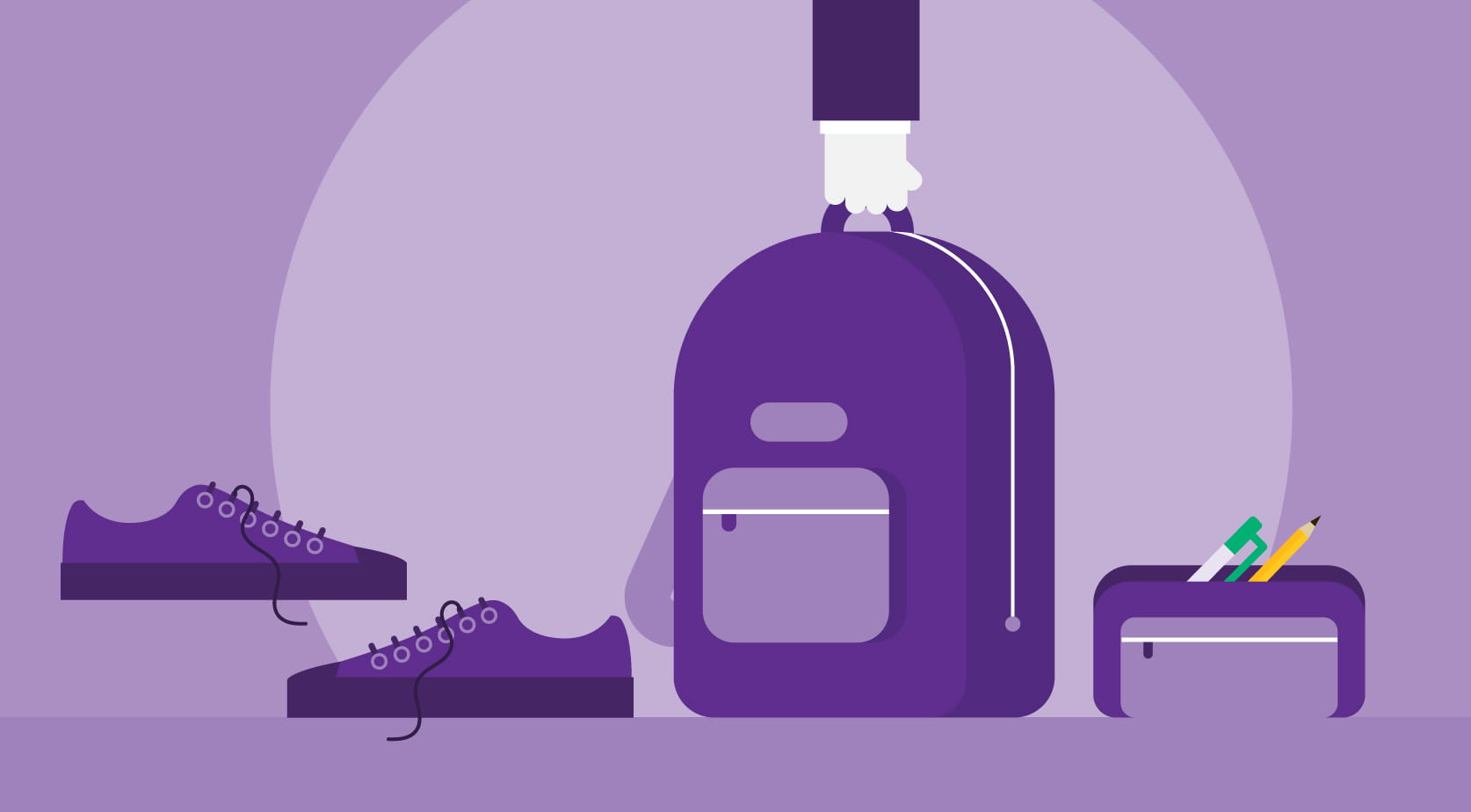
Sometimes, the best thing we can do for our children is take a little step back
As parents and educators, we naturally want to help our children. We tie their shoelaces, carry their bags, find their missing belongings and sometimes solve their problems before they've even had the chance to try. After all, life is busy, and it is often much quicker and easier to do things ourselves.
But what if some of the most valuable learning happens when we resist that temptation?
In the Lower Phase at BSK, we believe that developing independence is an essential part of growing up. From our youngest Reception children to our increasingly confident Year 2 pupils, we encourage children to take responsibility, make decisions, solve problems and develop the confidence to say, "I can do it myself!"
Why Does Independence Matter?
Independence is about so much more than being able to put on a pair of shoes or organise a school bag. It helps children develop confidence, resilience, perseverance and a sense of responsibility. Every time a child successfully completes a task independently, however small, they build a little more belief in their own abilities. And when things don't go quite to plan? That's valuable learning too! Learning to manage frustration, try a different approach or ask for help appropriately are all important life skills.
Building Independence at School
Across the Lower Phase, our classrooms are carefully designed to encourage children to become increasingly independent learners. In Reception, this might mean choosing resources, tidying away after an activity, putting on shoes or working out how to solve a problem during play. As children move through Years 1 and 2, we build on these foundations, encouraging them to organise their belongings, use classroom resources independently, take responsibility for their learning and persevere when faced with a challenge. Importantly, independence doesn't mean leaving children to struggle. Our teachers provide the encouragement, modelling and support children need, gradually stepping back as their confidence and competence grow.
The Power of 'Have a Go!'
One of the most powerful things we can say to a child is, "Have a go!"
Of course, watching a child struggle to fasten a button or work out how to complete a task can test our patience, particularly when we may be running late. But those extra moments of effort are often where the greatest learning takes place.
Rather than immediately stepping in, we might ask:
- "What could you try first?"
- "Is there another way you could do that?"
- "What helped you last time?"
- "What are you proud of doing by yourself today?"
These simple questions encourage children to think, persevere and recognise their own capabilities.
Little Things Make a Big Difference
There are so many opportunities to nurture independence at home. Encouraging children to pack their school bags, put away their belongings, get dressed, help prepare a snack or take responsibility for small household jobs can make a real difference.
The key is to offer opportunities that are appropriate for each child's age and stage of development, celebrating effort and progress rather than expecting perfection.
And yes, sometimes it will take longer. Sometimes things will be a little messier. Sometimes the shoes might even end up on the wrong feet! But every small achievement is another step towards becoming a confident, capable and resilient young person.
Growing Confidence, One Step at a Time
At BSK, “Belong, Believe, Be You” sits at the heart of everything we do. Helping children develop independence is an important part of this journey. When children feel safe, supported and encouraged to try, they begin to believe in themselves and what they can achieve. As parents and educators, our role is not to remove every obstacle from children's paths, but to give them the tools, encouragement and confidence to navigate those obstacles successfully.
The most powerful thing we can do is step back just enough to let our children step forward.
Related news
News image ![Sleep and Wellbeing: Our Komodo Focus This Term - Sleep and Wellbeing Our Komodo Focus This Term]() Blog | School Updates | secondary
 Blog | School Updates | secondary
Sleep and Wellbeing: Our Komodo Focus This Term
For young people aged 13-18, the recommended amount is between eight and ten hours each night. Yet research suggests that many teenagers are regularly getting considerably less. This is not simply a Western phenomenon. Research involving more than 12,000 adolescents in the Middle East found that 46% reported sleeping for fewer than seven hours on weekdays, while three quarters said they did not feel refreshed when they woke.
News image ![Play-based Learning in Early Years - Play based Learning in Early Years]() News | School Updates | secondary
 News | School Updates | secondary
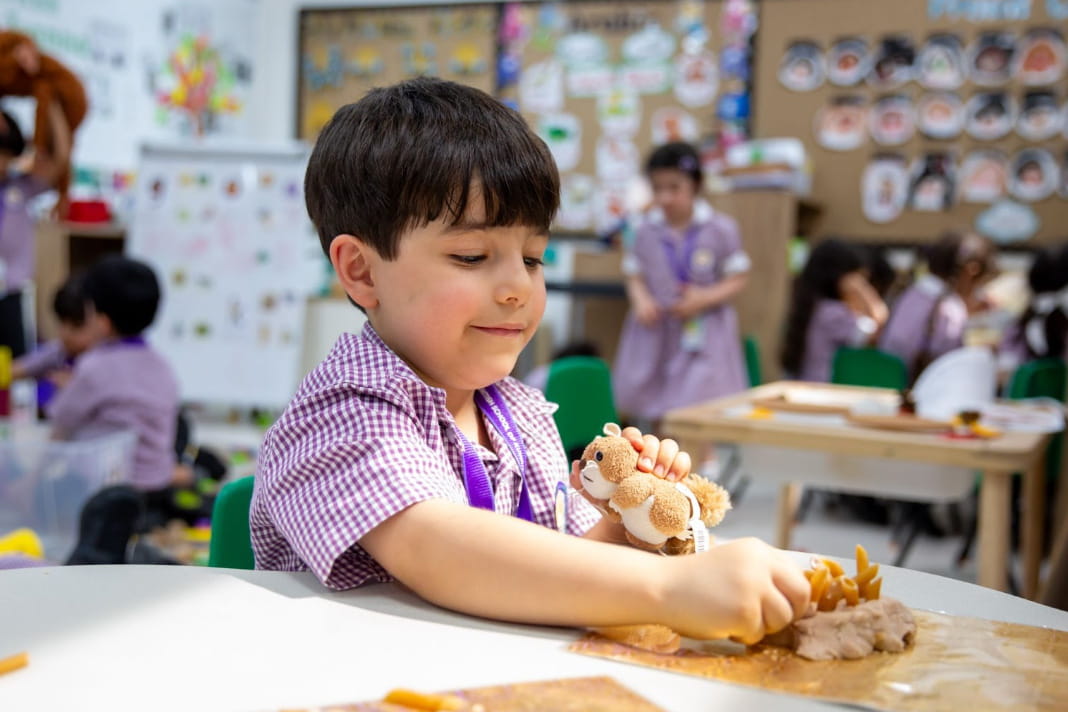
Play-based Learning in Early Years
By embracing play-based learning, we're investing in their long-term success.
News image ![Junior Phase: Meet the Teacher Information Evenings 2026-27 - Junior Phase Meet the Teacher Information Evenings 2026-27]() Blog | School Updates | Featured
 Blog | School Updates | Featured
Junior Phase: Meet the Teacher Information Evenings 2026-27
The Junior Phase was delighted to welcome parents and families to our annual ‘Meet the Teacher’ Information Evenings, with separate events held for Year 3 on Sunday 13 September, Year 4 on Monday 14 September and Year 5 on Tuesday 15 September. Across the three evenings, parents had the opportunity to meet members of the Junior Phase Leadership Team, learn more about life in the Junior Phase and visit their child’s classroom to find out more about the year ahead.
News image ![Learning in Action: What Learning Looks Like in the Junior Phase - Learning in Action What Learning Looks Like in the Junior Phase]() Blog | School Updates | Featured
 Blog | School Updates | Featured
Learning in Action: What Learning Looks Like in the Junior Phase
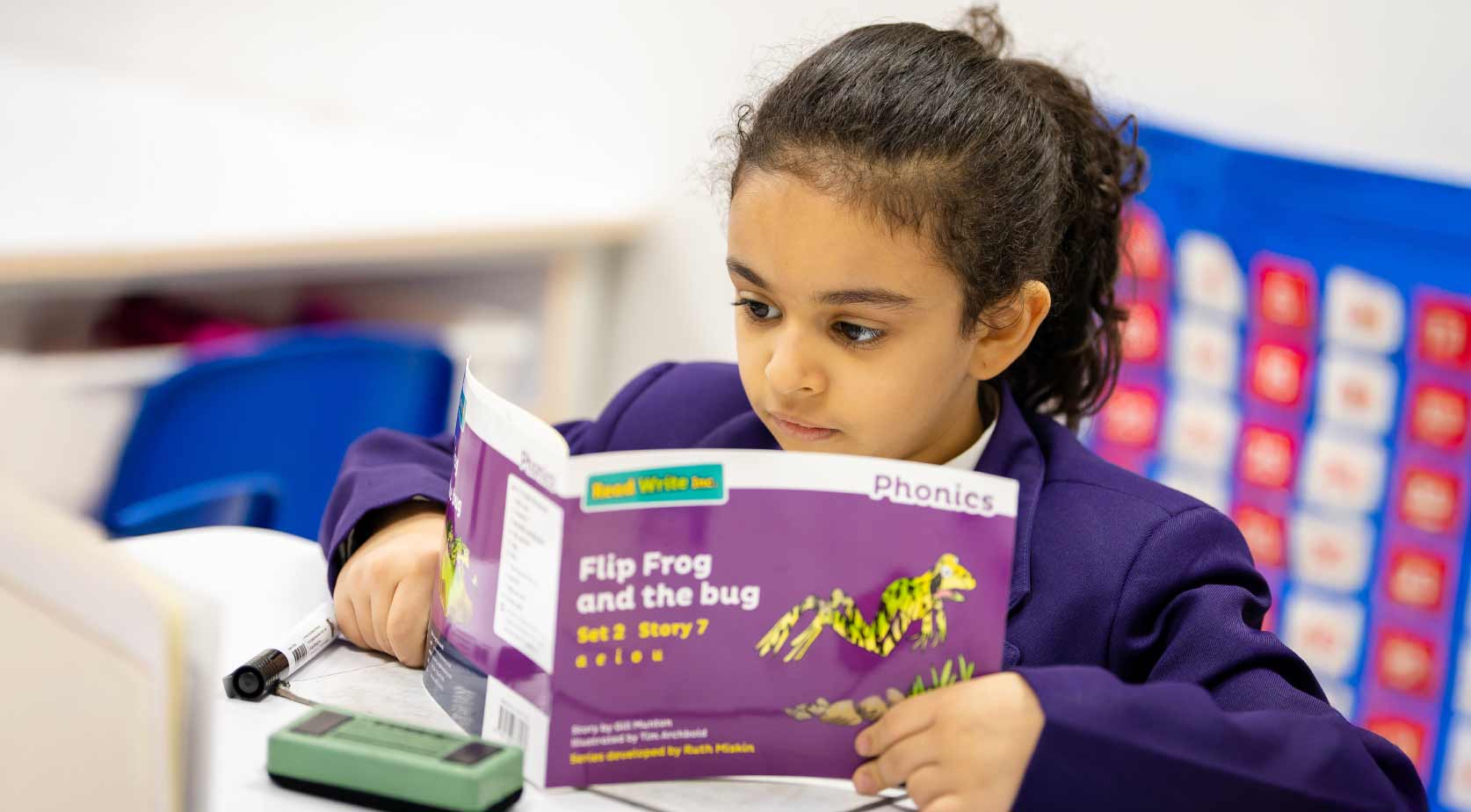
Stepping into a classroom in the Junior Phase and learning can take many different forms. You might see students discussing an idea with a partner, using practical resources to solve a problem, listening carefully as a teacher models a new skill, or working independently to apply what they have learnt. Although the activities may look different across subjects and year groups, they are all underpinned by the same aim: to develop confident, curious and increasingly independent learners.


