

We use cookies to improve your online experiences. To learn more and choose your cookies options, please refer to our cookie policy.

14 October, 2026
Sleep and Wellbeing: Our Komodo Focus This Term
How much sleep did your teenager get last night?
For young people aged 13-18, the recommended amount is between eight and ten hours each night. Yet research suggests that many teenagers are regularly getting considerably less. This is not simply a Western phenomenon. Research involving more than 12,000 adolescents in the Middle East found that 46% reported sleeping for fewer than seven hours on weekdays, while three quarters said they did not feel refreshed when they woke.
Sleep matters. It supports concentration, memory and learning, but it is also closely connected with emotional wellbeing. A major review involving more than 360,000 adolescents found that shorter sleep was associated with a greater likelihood of poorer mood outcomes, including anxiety, low mood and irritability.
At BSK, our own students are helping us to understand the picture closer to home.
Through Komodo, our student wellbeing platform, Higher Phase students complete a short wellbeing survey every three weeks. Around 90% of our students have engaged with the survey so far, giving our pastoral teams a valuable insight into how our young people are feeling and allowing us to identify patterns over time.
One finding has stood out: sleep is currently the lowest-scoring area of wellbeing among our Higher Phase students. For that reason, sleep has become our wellbeing focus for the term.
Students are using specially developed sleep and digital wellbeing booklets to think about the quality and amount of sleep they are getting, their routines and the lifestyle habits that may influence how rested they feel. This is not about telling young people simply to ‘go to bed earlier’. Adolescent sleep is more complicated than that. Instead, we want students to become more aware of their own patterns and consider the small changes that might make a difference.
Digital habits form part of that conversation. Phones and social media are an important part of young people's lives, but research involving adolescents in the Middle East and the UK has found an association between greater social-media use and shorter sleep. Helping students think consciously about when and how they use their devices, particularly towards bedtime, is therefore one practical part of developing healthier sleep habits.
Throughout the term, we will continue this conversation through a series of assemblies, including a session with a sleep therapist who will share expert insight into adolescent sleep and the value of a good night's rest.
Most importantly, Komodo gives our students another way to tell us how they are doing. Sleep may seem like a small part of the wellbeing picture, but changes in sleep can sometimes tell us that a young person is finding something difficult. By listening to what our students tell us, noticing patterns, and helping them understand their own wellbeing, we can offer support earlier and help them develop habits that will serve them well beyond school.
Related news
News image ![Parent Consultation_1674_x_924]() Blog | School Updates | Featured
Blog | School Updates | Featured
 Blog | School Updates | Featured
 Making the Most of Your Parent Consultation
Parent consultations are an important opportunity for families and teachers to come together, share perspectives and build a clearer picture of how a child is progressing at school.
News image ![5 Simple Ways to Prepare Your Child for the New School Year - Back to School Blog]() Blog | School Updates | Featured
Blog | School Updates | Featured
 Blog | School Updates | Featured
 5 Simple Ways to Prepare Your Child for the New School Year
A new school year brings new routines, opportunities and experiences. Here are five simple ways to help your child feel prepared and confident for the year ahead.
News image ![Supporting Our Youngest Learners: Home Visits Ahead of the Move to Reception - Home Visits Ahead of the Move to Reception]() Blog | School Updates | primary
Blog | School Updates | primary
 Blog | School Updates | primary
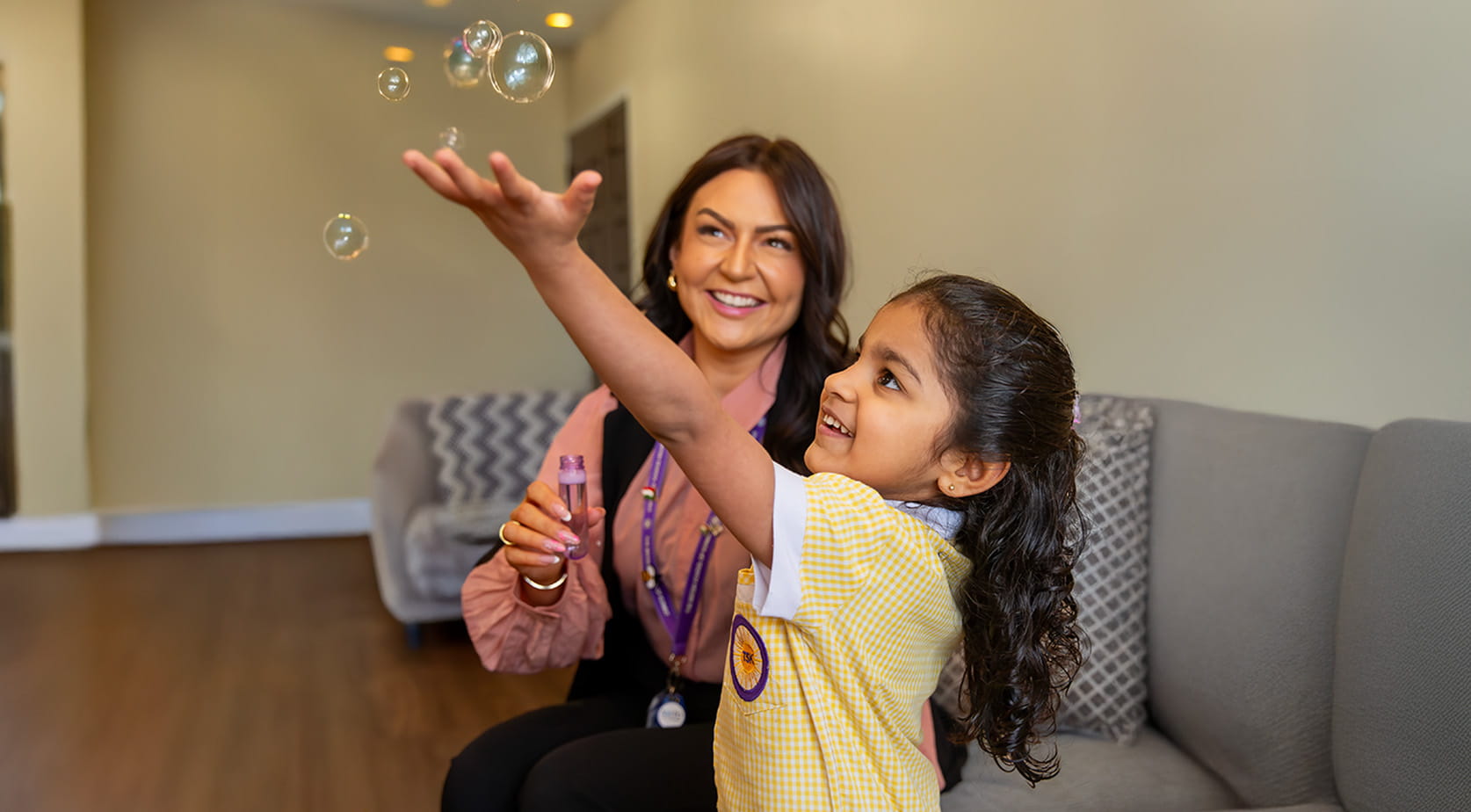
 Supporting Our Youngest Learners: Home Visits Ahead of the Move to Reception
At BSK, we firmly believe that a child's school journey begins well before their first day in class. The transition from nursery to Reception is a significant milestone, not just for children, but for families too, and it is one we take great care to support.
News image ![Supporting Children with online class]() Blog | School Updates | secondary
Blog | School Updates | secondary
 Blog | School Updates | secondary
 Supporting Children at Home During Online Learning
Online learning brings unique challenges for families, and we recognise the effort required to balance home, work, and supporting your child’s education. Our priority is ensuring that children feel safe, supported, and engaged while continuing their learning effectively.


