

We use cookies to improve your online experiences. To learn more and choose your cookies options, please refer to our cookie policy.

27 October, 2026
Learning in Action: What Learning Looks Like in the Junior Phase
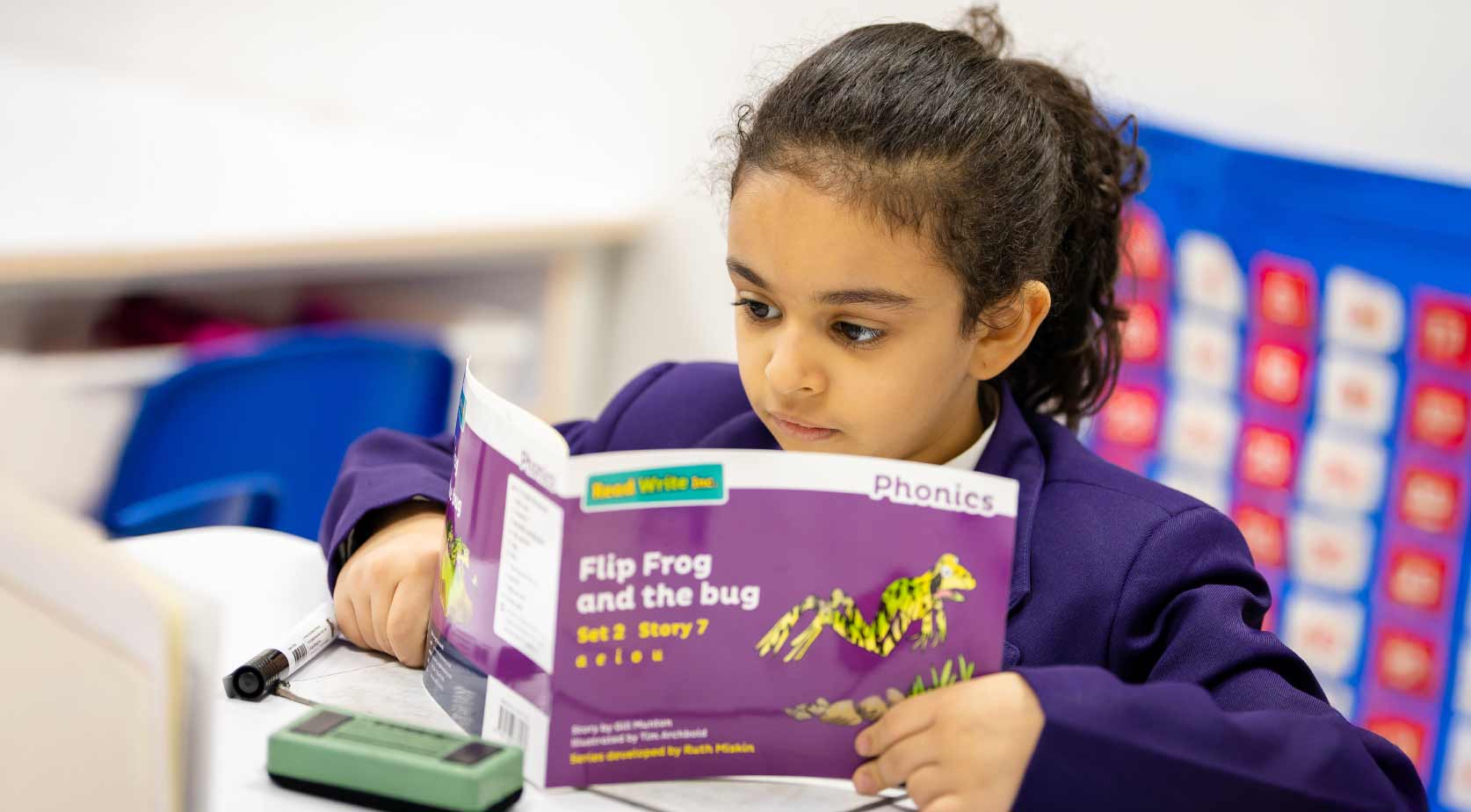
Stepping into a classroom in the Junior Phase and learning can take many different forms. You might see students discussing an idea with a partner, using practical resources to solve a problem, listening carefully as a teacher models a new skill, or working independently to apply what they have learnt. Although the activities may look different across subjects and year groups, they are all underpinned by the same aim: to develop confident, curious and increasingly independent learners.
Across Years 3 to 5, we place great importance on students being active participants in their learning. Children are encouraged not simply to give an answer, but to explain their thinking, ask questions and build on the ideas of others. Whether discussing a character’s choices in a reading lesson, explaining a mathematical strategy or sharing ideas before writing, purposeful talk gives students the opportunity to organise their thoughts, develop vocabulary and deepen their understanding. Strong teacher modelling is another important part of learning in the Junior Phase. Before students are expected to tackle something independently, teachers carefully demonstrate the thinking and processes involved. This might mean modelling how to construct an effective sentence, working through a mathematical problem step by step or showing students how to approach a new task. Questions are used throughout lessons to check understanding, encourage students to think more deeply and help teachers decide when further support or challenge is needed. We also recognise that students do not all learn in exactly the same way or at exactly the same pace. Teachers use a range of strategies, resources and scaffolds to help children access learning successfully. The aim, however, is not for this support to remain forever. As students develop their knowledge, skills and confidence, these supports can gradually be reduced, allowing them to take greater responsibility for their own learning. This growing independence is an important part of the journey through the Junior Phase. From Year 3 to Year 5, students are encouraged to select appropriate resources, reflect on feedback, check and improve their work and persevere when learning feels challenging. In doing so, they also develop resilience - one of our Junior Phase values - by learning that setbacks and mistakes are a natural part of the learning process. These moments provide valuable opportunities to reconsider, adapt, try again and build confidence in overcoming challenges. Ultimately, learning in the Junior Phase is about more than the work completed in a book. We want our students to leave each lesson knowing more, understanding more and feeling increasingly confident in what they can do. By combining high expectations with purposeful support, discussion, challenge and opportunities for independence, we aim to give every child the foundations they need to continue growing as successful learners.
Related news
News image ![Junior Phase: Meet the Teacher Information Evenings 2026-27 - Junior Phase Meet the Teacher Information Evenings 2026-27]() Blog | School Updates | Featured
 Blog | School Updates | Featured
Junior Phase: Meet the Teacher Information Evenings 2026-27
The Junior Phase was delighted to welcome parents and families to our annual ‘Meet the Teacher’ Information Evenings, with separate events held for Year 3 on Sunday 13 September, Year 4 on Monday 14 September and Year 5 on Tuesday 15 September. Across the three evenings, parents had the opportunity to meet members of the Junior Phase Leadership Team, learn more about life in the Junior Phase and visit their child’s classroom to find out more about the year ahead.
News image ![Pastoral Care in Junior Phase: Helping Every Child to Belong, Believe and Be Themselves - Pastoral Care in Junior Phase]() Blog | School Updates | Featured
 Blog | School Updates | Featured
Pastoral Care in Junior Phase: Helping Every Child to Belong, Believe and Be Themselves
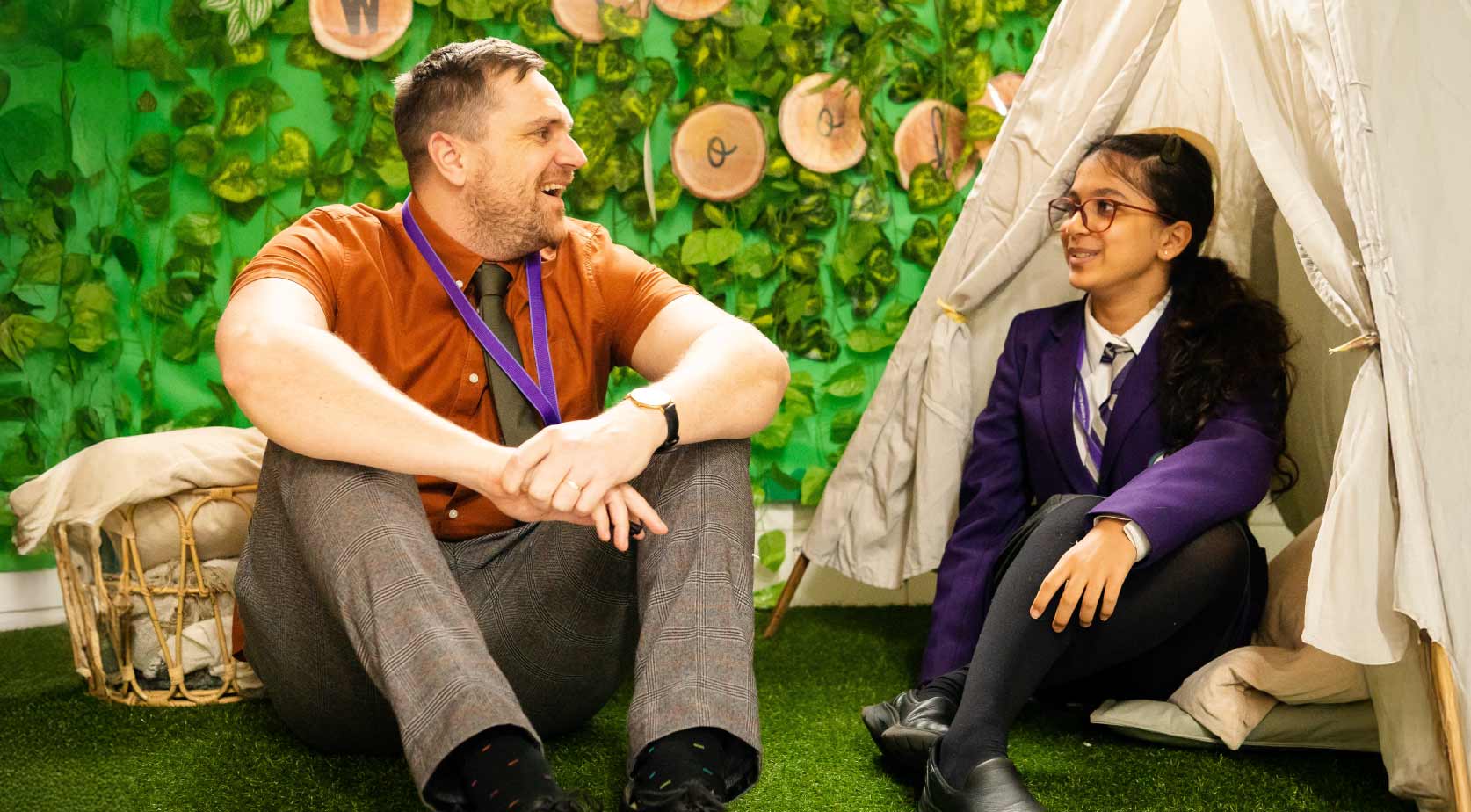
At The British School of Kuwait, we believe that happy, safe and supported children are best placed to thrive. Across Junior Phase, pastoral care is not simply something we provide when a child needs additional help; it is part of everyday school life and plays an important role in creating a community where every student feels known, valued and that they belong.
News image ![Introducing Google Classroom - Introducing Google Classroom]() Blog | School Updates | Featured
 Blog | School Updates | Featured
Introducing Google Classroom
This academic year, we have taken an exciting step forward in our digital learning provision with the introduction of Google Classroom as our new central digital learning platform. Designed to bring greater consistency, accessibility and flexibility to the way we use technology, Google Classroom provides students and teachers with one convenient location for learning, resources, communication and collaboration.
News image ![Finding your Place in Middle Phase - Finding your Place in Middle Phase]() Blog | School Updates | Featured
 Blog | School Updates | Featured
Finding your Place in Middle Phase
The start of a school year brings more than new timetables, classrooms, and teachers. For our Middle Phase students, it is a chance to find their place: to build friendships, grow in confidence and discover what they can contribute to school life.


