

We use cookies to improve your online experiences. To learn more and choose your cookies options, please refer to our cookie policy.

04 January, 2026
Play-based Learning in Early Years
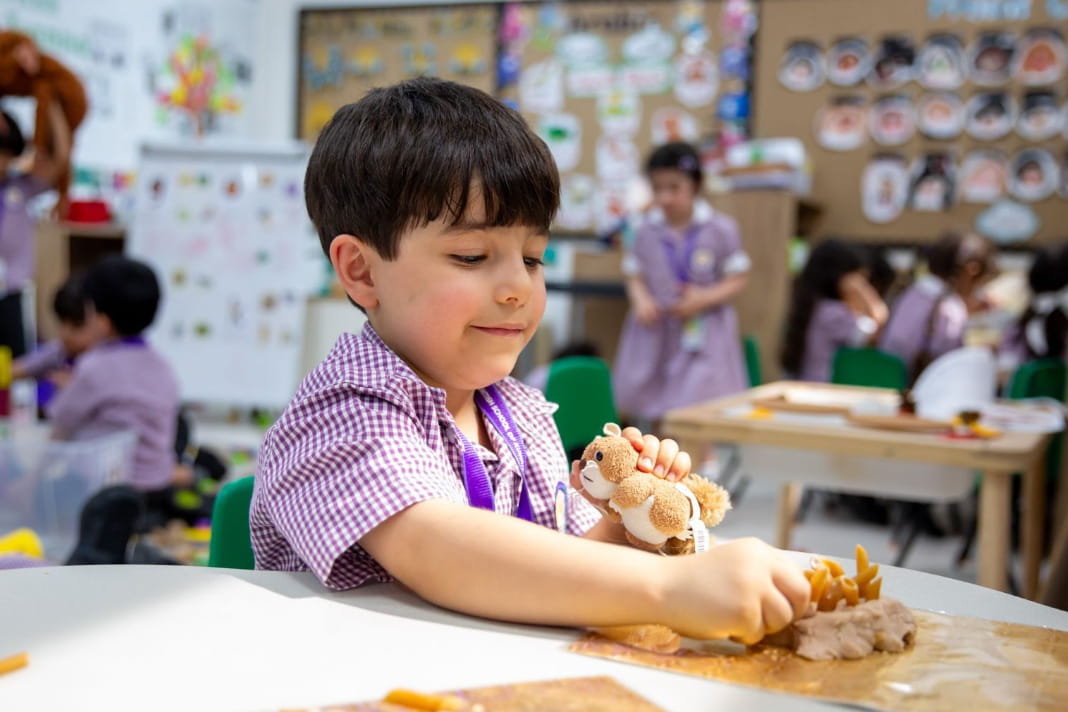
In essence, play is not just fun; it's fundamental. It's how children build the brains and skills they'll need to thrive in the future. By embracing play-based learning, we're investing in their long-term success.
The Power of Play: Building Brains and Futures from Birth
Forget the pressure of early academics; the most crucial learning happens in a child's early years, through play and nurturing relationships. Developmental scientists stress that ages 0 to 5 are foundational brain-building years, shaped by love, interaction, and exploration, not rote learning.
Why Play Matters More Than You Think:
As Isabelle C. Hau emphasizes, children thrive when they feel loved, safe, and valued. Play allows them to develop vital skills like emotional regulation, self-control, and resilience. These aren't just "nice-to-haves"; they're essential for future academic success. Children learn to communicate, think critically, and problem-solve through play, creating a strong foundation for lifelong learning.
Neuroscience Supports Play:
We're born with incredible brain potential, with rapid synaptic growth occurring in early childhood. Loving, responsive interaction, like "serve and return" communication, sparks crucial neural connections. Play provides a safe space for exploration and decision-making, guided by adults who understand how to follow a child's lead.
(image)
The Early Years Teacher's Perspective:
Experts like Deirdre Grimshaw advocate for "playful learning," emphasising exploration and student agency. This approach empowers children to shape their learning experiences and develop independence – vital skills in a rapidly changing world.
Parental Partnership is Key:
Schools that truly understand early childhood development prioritise parent involvement. They provide workshops, learning sessions, and extended settling-in periods to help parents understand and support their child's learning journey. Throughout the academic year we want our parents to participate in Stay and Play, educational workshops and ‘Come Learn with Me Days,’ so that they can develop an understanding of how their child learns.
Related news
News image ![Supporting Our Youngest Learners: Home Visits Ahead of the Move to Reception - Home Visits Ahead of the Move to Reception]() Blog | School Updates | primary
Blog | School Updates | primary
 Blog | School Updates | primary
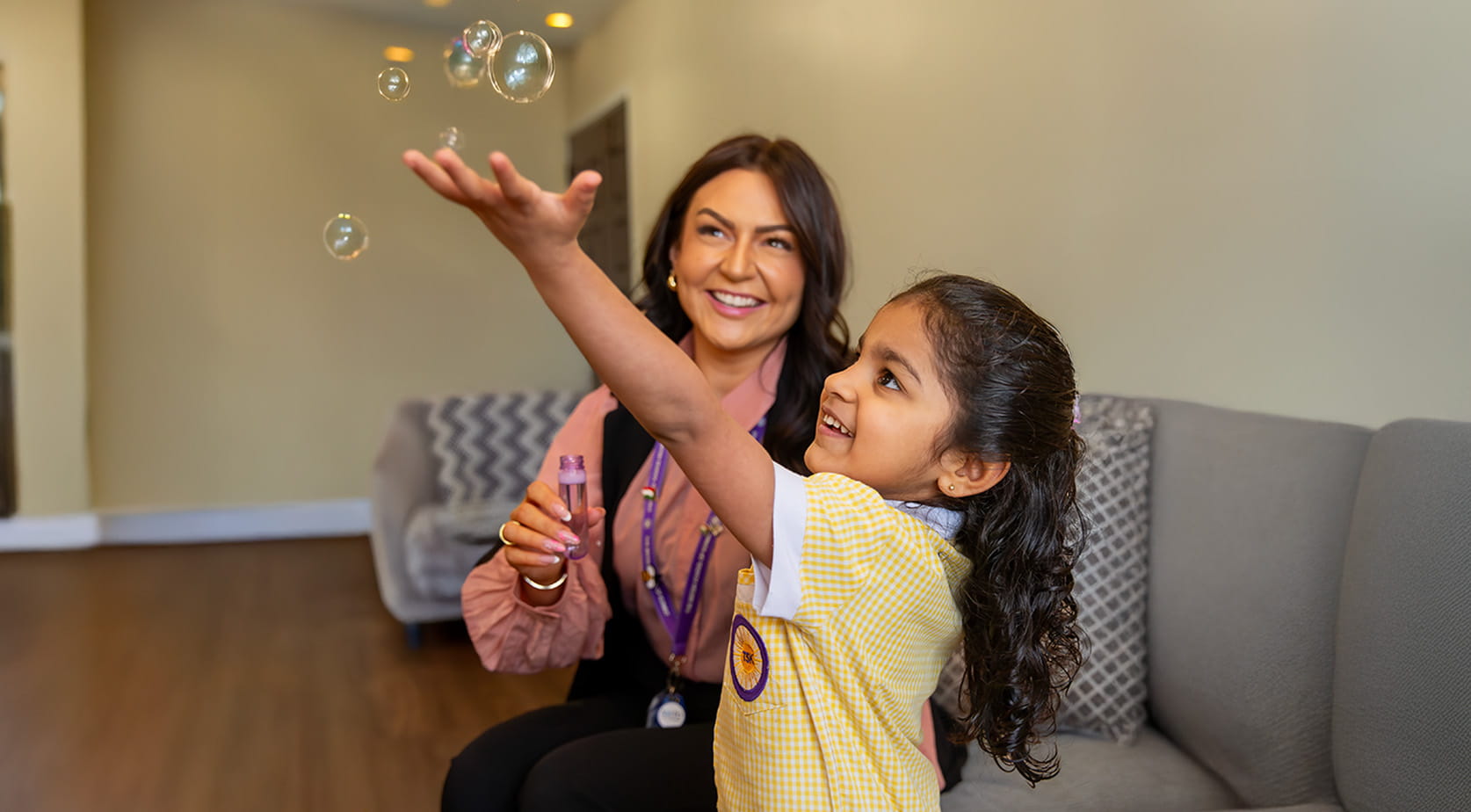
 Supporting Our Youngest Learners: Home Visits Ahead of the Move to Reception
At BSK, we firmly believe that a child's school journey begins well before their first day in class. The transition from nursery to Reception is a significant milestone, not just for children, but for families too, and it is one we take great care to support.
News image ![Supporting Children with online class]() Blog | School Updates | secondary
Blog | School Updates | secondary
 Blog | School Updates | secondary
 Supporting Children at Home During Online Learning
Online learning brings unique challenges for families, and we recognise the effort required to balance home, work, and supporting your child’s education. Our priority is ensuring that children feel safe, supported, and engaged while continuing their learning effectively.
News image ![How BSK Ensures High-Quality Learning During Online Lessons - How BSK Ensures High-Quality Learning During Online Lessons]() Blog | School Updates | secondary
Blog | School Updates | secondary
 Blog | School Updates | secondary
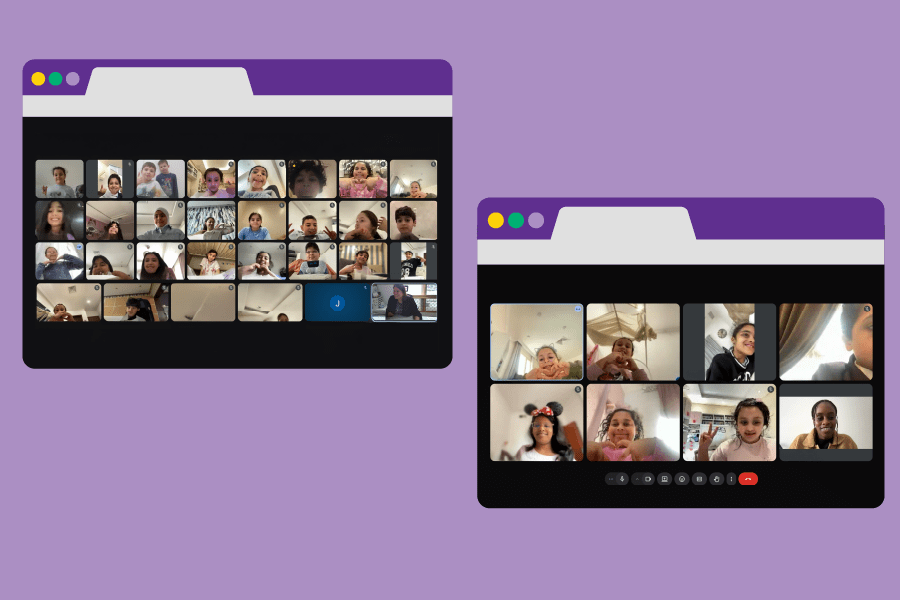
 How BSK Ensures High-Quality Learning During Online Lessons
At The British School of Kuwait, maintaining continuity in learning is a priority. Even when lessons move online, our teachers work carefully to ensure that students continue to receive engaging, structured, and high-quality education.


